
I’m developing a new fantasy setting, one detached from European tropes. Magic is, of course, essential, so I’ve been noodling on different systems. Here is one. It’s a little rough, but I think I like where it’s going. Leave a comment and tell me what you think! — Rob
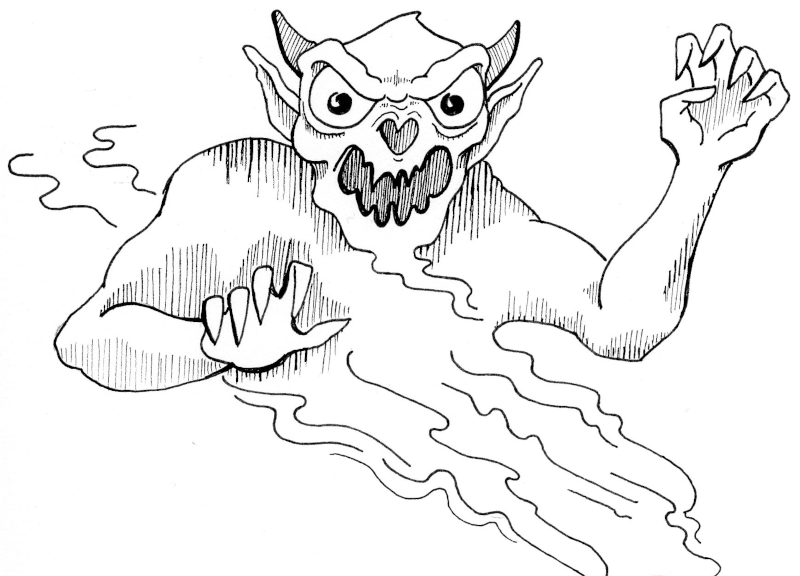
Orenza’s most valued export is its knotwork. Demons bound to intricate knots are sold around the world, their power greatly sought by the wealthy in every port. There are other types of magic, but only knotwork can be so easily transported and employed by the uninitiated. The knot is made up of two parts, the braid and the locus. The former is a sort of elaborate maze, a labyrinth that traps the attached demon for as long as it takes to navigate its winding way. The locus is a separate knot, usually just a simple one by which the braid is tied and the enchantment is sealed. Freeing the demon is as easy as untying the locus. Loci can be made of a wide variety of materials, although string, cord, wire, and rope are by far most common. Braids can even be tattooed, the living flesh of the tattooed serving as locus. Knotwork of that kind is the most durable, persisting as long as the tattooed can survive, but the effects that such magic has on the living locus are horrific and profound. Madness is inevitable and perversion of the locus into a monster called a drūk is not uncommon. Drūk become inseparable from the demon or demons to which they have been bound, their mortal forms made abhorrent by the union. There was once an order of binders called the Yellow Priests who willingly tattooed themselves with knots, seeking to turn one of their number into a living god. While most believe that order to have been destroyed, a few of its members escaped and now live as monsters in the teeming jungles of Orenza.
Knots are made by practitioners called demon binders or, more politely, just binders. Even simple braids are exquisitely complex and it can take a lifetime for a binder to master just a few. The most talented binders know many, just as they know the names of the many demons they bind and rebind over their careers. Demonic names are closely-guarded secrets that are never written down. To learn one is to gain power over the named, and so demons with the capacity for mayhem will not hesitate to kill in order to protect themselves.
There are many sorts of demons and variations of each type. The most common demons are associated with the elements, with wind demons such as sylphs being the most common and most easily bound. Earth demons– gnomes, kobolds, and the like– are put to good use by builders, especially Royal ones, and sailors use demons of both wind and water to see their vessels swiftly and safely across the Sea of Spears. Fire demons are destructive and famously hard to control; few reputable binders trifle with their kind. Elementals are not the only sorts of demons. There are less savory kinds such as the demons of fever and rot who are seldom successfully bound, and far more dangerous sorts like demons of bile and blood. While the unscrupulous use demons to dominate and harm, healers use them to combat illness and injury. The most famous healers are all skilled binders, but so are the most infamous assassins.


 Rob Wheeler Writes
Leave a comment